

🛍️Don't Shop Until You Read: AI-Driven Fake Deals Are Flooding Instagram, Google, and TikTok!
Here’s everything you need to know right this second to protect yourself and your family.

Think you’re too smart to fall for a holiday shopping scam? So do 56% of Americans — and nearly one in four have already been scammed this year.
That’s the surprising takeaway from a brand-new Trend Micro “Holiday Scams & AI” study — and it tells a bigger story about this year’s shopping season: scams aren’t just getting sneakier. They’re getting personal. They’re using AI. And, increasingly, they look just like real deals.
This year, more than 86% of people say they’d buy from a brand they’ve never heard of — especially if the price looks good.
Gen Z and millennials are the most confidently clueless: 70% say they can easily spot a scam, yet are also the most likely to click on flashy ads on Instagram, TikTok and YouTube.
Here’s the kicker: High-income shoppers — people making $150K or more — are the most likely of all to get scammed. Why? Because they buy more, click faster, and shop on more devices. In other words: more money, more targets.
The New Scam Math: AI + Ads + Almost You
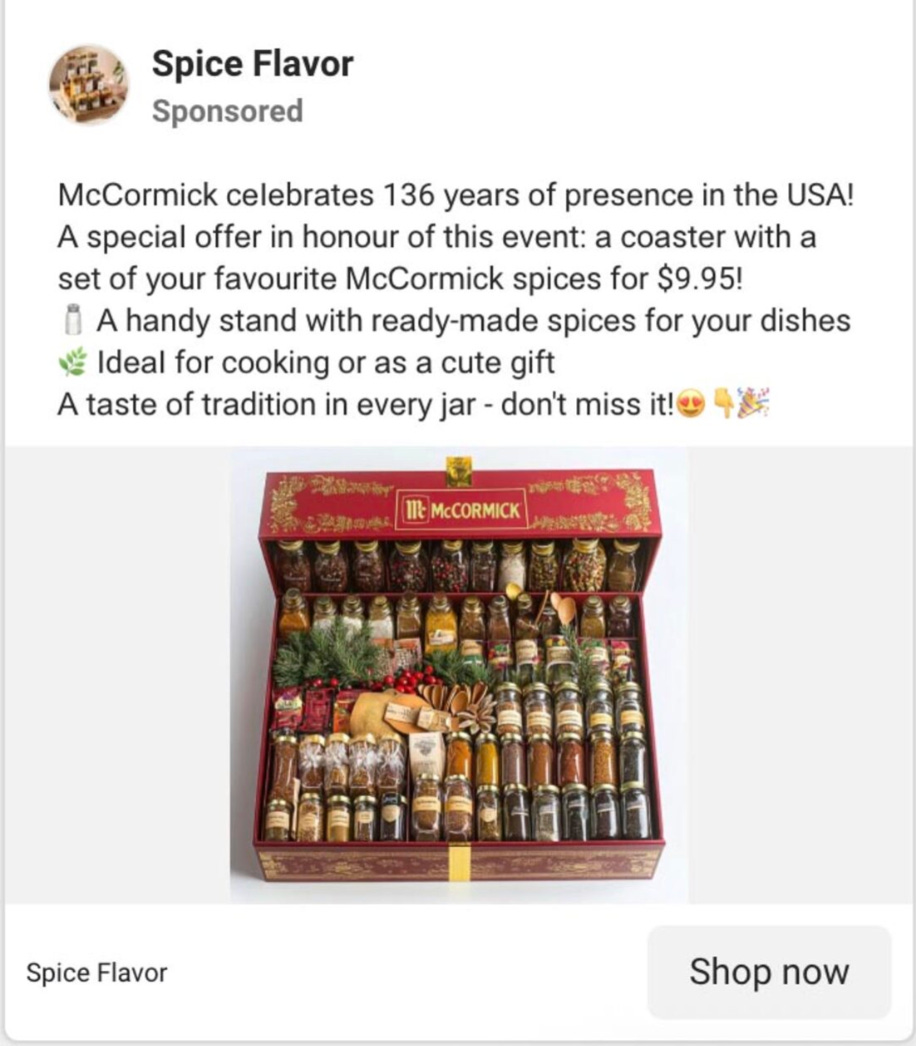
Scams used to be obvious — poor grammar, weird URLs, offers that promise diamonds for $5. Now? They look like perfectly normal ads in your social feed, tailored specifically to you.
They know what brands you like.
They know when you’re shopping.
They know when your favorite store is having a sale — and they send you a better-looking one first.
Some even use fake chatbots to “confirm your tracking number” or provide a “customer service” rep.
And you thought those emails from Nigerian princes were bad…🤦♀️
How Meta, Google and TikTok Became the New Shopping Mall (and Scam Superstore)
Earlier this month, a Reuters investigation uncovered internal documents showing that Meta (Facebook, Instagram, WhatsApp) projected that around 10% of its 2024 revenue — roughly $16 billion — came from ads tied to scams and banned goods. That means scammers are not just lurking in the comments. They’re paying for premium ad space.
And while Google removed 415 million scam ads last year, Meta reportedly ignored or incorrectly rejected 96% of valid user complaints about scam ads.
This year’s holiday shopping season has a new mantra: don’t trust anything. Or better yet, copy, paste, and print this safety checklist to your fridge, office wall, and maybe even your forehead.
How to Verify a Deal in 20 Seconds
1️⃣ Check the website name.
Real brands use clean URLs: Dyson.com, UGG.com.
If you see extra words like outlet, sale, clearance, dashes, or endings like .shop, .biz, .info — slow down.
Example: Dyson.com ✔️ | Dyson-Outlet-Shop.biz 🚩
2️⃣ Look for real contact options.
Legit stores list customer service numbers, addresses, or live chat.
Scam sites often offer only a web form or a Gmail/Yahoo address — or nothing at all.
3️⃣ Read 3 reviews — not 300.
Ignore the five-star wall. Look for reviews with:
✔ Real photos
✔ Mention of shipping, packaging, or returns
✔ Human language — not emoji storms and AI-speak
4️⃣ (Advanced but powerful) Use Whois.com
Paste in the website link. If it was created within the last 3–6 months, it’s likely a pop-up scam that disappears after the holidays.
5️⃣ Ask AI to check it for you.
Paste the link into ChatGPT, Gemini, or Perplexity and ask:
“Is this retailer legitimate? Check domain age, owner, scam history, refund policy, and trust safety.”
You get a risk readout — without clicking anything dangerous.
🚨 Five Giant Red Flags (if you see these… stop)
🚩 “Factory outlet” or “80% off clearance” for premium brands (Dyson, Ray-Ban, UGG, Lululemon) — those don’t exist.
🚩 They ask you to pay with gift cards, Zelle, Venmo, CashApp, or crypto — these payments are nearly impossible to recover.
🚩 Website spelling is almost right — RayBanOutlet.biz, Dyson-Deals.shop, Lululemmon.store
🚩 Reviews look too… enthusiastic — lots of emojis 🚀😍💯, no photos, vague praise.
🚩 You get a text or email saying “delivery issue” or “update your address” — but you didn’t request tracking.
USPS, FedEx, Amazon, and UPS do not text unsolicited links.
The Smart(er) Holiday Shopping Playbook
📌Buy from the site, not the ad.
If an Instagram or TikTok ad looks tempting, type the website in manually — don’t click.
📌Always pay with a credit card.
Credit cards have fraud protection. Gift cards, Venmo, Zelle, crypto = digital cash — once it’s gone, it’s gone.
📌Check price history before you hit buy.
Use CamelCamelCamel, Honey, or Google Shopping to make sure the “deal” isn’t just the regular price dressed up with a countdown timer.
📌Slow down.
Urgency is a scammer’s favorite weapon. If the deal timer is screaming and your heart is racing — pause.
📌Use a shopping-only email.
Keeps your receipts separate — and keeps phishing out of your main inbox.
If You Still Get Burned — Act Fast
Contact your credit card company – dispute immediately
Report at ReportFraud.FTC.gov
Monitor your credit at AnnualCreditReport.com
Change passwords and turn on two-factor authentication
Screenshot everything – it’s your best evidence
Bottom Line
AI hasn’t just made shopping smarter — it’s made scams smarter, sharper, and scarily good at pretending to be the real thing. This year’s fake deals don’t just look sketchy or suspicious. They look custom-made for you — because, in many cases, they are.
Remember to shop the deals, not the dopamine. Do you really need it? Are you SURE it’s the best price, and what’s your recourse if it’s not?
Be sure to tell your parents and kids about this too. (I’m looking at you, Mom.)
I fell for a sock scam -- incredible prices on a well-loved brand. I paid using PayPal, and the resolution was swift. I never got my socks (did anyone?) but I did get a refund. Phew.