


This is a story of tech fixing something very broken. Then “the system” breaks it again. It’s a conversation I’ve been having with all of my friends — women, men, work colleagues, total strangers — and it’s time for me to have it with you.
Menopause. The Change. Cougar Puberty. Whatever you want to call it, it’s having a moment, and it’s worth knowing about, no matter how old you are or whether you think this has anything to do with you. (Spoiler: It does.)
For twenty years, doctors told millions of women that their health symptoms were stress, aging, or all in their heads. They handed out antidepressants backed by Big Pharma, ordered sleep studies, and sent us to marriage counselors. But the actual problem — hormones — they dismissed or told us they were too dangerous to use, all due to a single flawed study that shaped two decades of medical practice.
Sigh…I know because it happened to me, too.
I first mentioned my symptoms to my doctor in 2018. Lab results came back “within normal ranges.” She told me to exercise more, then not to exercise so much. I’m an ultramarathon runner who packed on 20 pounds and couldn’t figure out why. My eyesight went. I got the telltale hot flashes. My ears itched. Words fell out of my head mid-sentence — live, on camera, on the Today Show. I paid $2,000 out of pocket to see a specialist. I have Kaiser insurance that I also pay a small fortune for, and I still couldn’t get real care. I just kept thinking I had to suck it up and soldier through it.
Then I did a big story about this entire issue for USA Today and found Midi Health. For the first time in years, someone actually listened. They treated my symptoms and literally changed my life.
That was two years ago. I have not missed a single monthly video appointment with a Midi provider ever since. I’ve stuck with exactly nothing else in my life on a monthly schedule without fail — but I have looked my Midi provider in the eye every single month for two straight years. The weight I gained publicly — on the Today Show, in front of everyone — I’ve now lost. Nope, it wasn’t Ozempic. It was hormone replacement therapy patches —the very thing my doctor told me I shouldn’t take.
I’m far from alone. The menopause hashtag crossed a billion views on TikTok. HRT prescriptions jumped 86% in four years. I’m on Reddit threads with thousands of replies. Late last year the FDA finally removed a black box warning it should have pulled years ago. The internet did what medicine wouldn’t — it got us talking, connected us to each other, and pushed us toward care that actually worked.
This is a tech story. It just happens to be about women’s health.
In this episode, I sit down with Joanna Strober, CEO and co-founder of Midi Health — the telehealth company now treating 25,000 women a week and valued at a billion dollars — to talk about how we got here, what broke, what tech actually fixed, and what’s broken again.
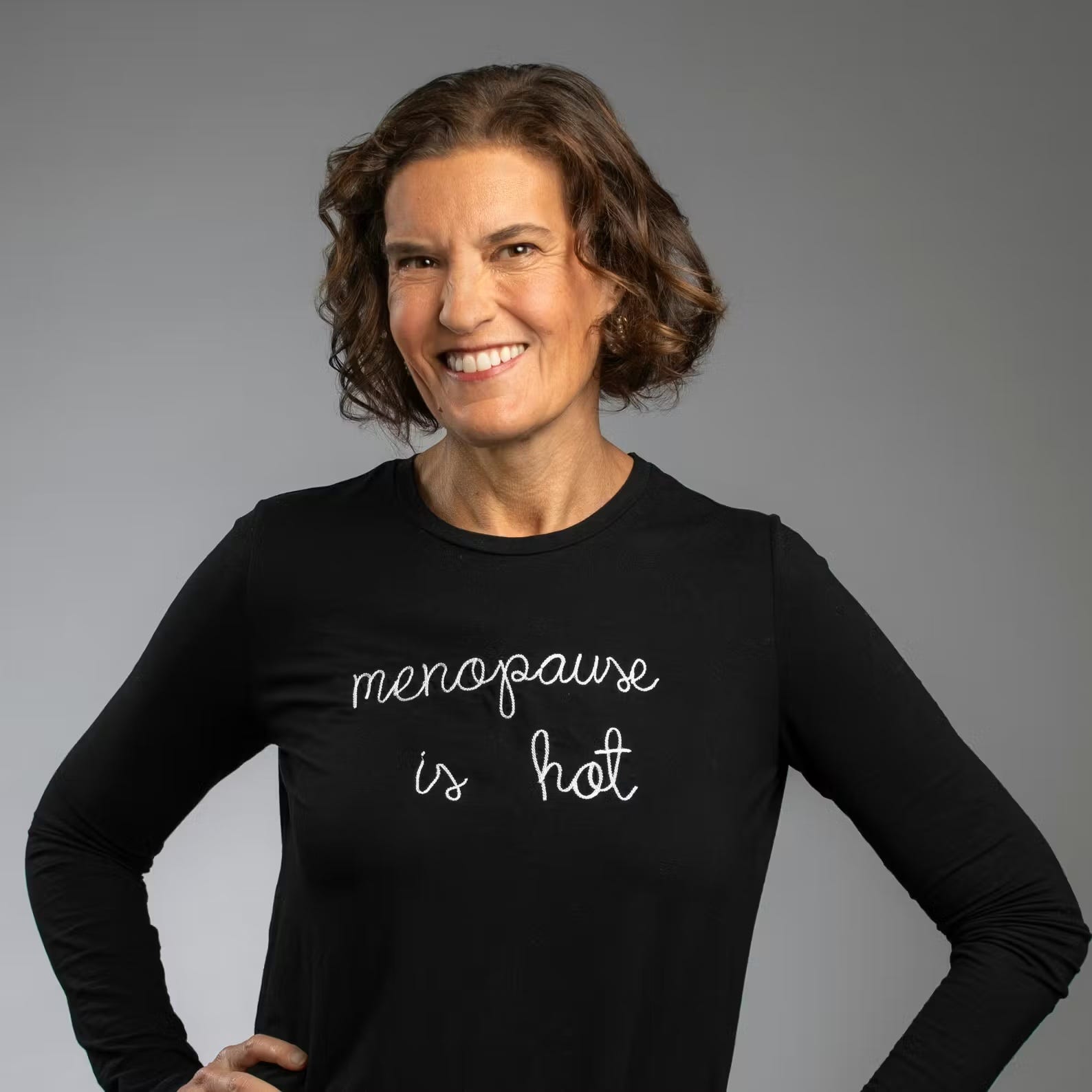
Here’s the plot twist nobody planned for: women finally got the green light on hormone therapy, and now they can’t fill their prescriptions. There’s a nationwide estrogen patch shortage, with a progesterone shortage right behind it. But the manufacturers who can fix it are waiting to see if this is a real shift or just another social media moment that fades.
Can tech fix a supply chain? Can an app find you a pharmacy with patches in stock? Can compounding pharmacies bridge a gap that CVS and Walgreens can’t? Joanna has answers. Some of them are encouraging. Some of them are infuriating. All of them are worth hearing.
One more note: This is not a commercial for Midi Health. There are other telehealth options out there — Gennev, Evernow, Winona, and more — and I’ve tried most of them. Midi is where I landed, and the reason I stayed is simple: every single month, without fail, I get 15 minutes face-to-face with my own provider over video. That’s more consistent care than anything I’ve gotten from doctors I pay thousands of dollars a year for insurance to not see. The right platform for you is the one that actually gets you the care you need. Period.
🔑 What You’ll Learn
What caused the estrogen and progesterone shortage — and why it’s about to get worse before it gets better
The 2002 study that scared two generations of women away from HRT, why it was wrong, and why most doctors still believe it
Why 20% of middle-aged women are on antidepressants when hormones might work better — and why nobody has ever done that comparison study (follow the money)
What Midi is doing right now to help patients when patches run out — including hormone cream backups and compounding pharmacy solutions
How AI is changing telehealth care — and why Joanna thinks the human connection gets better, not worse, because of it
What longevity actually means for women in their 40s and 50s — and the new women’s blood test Midi is developing for later this year
Why women’s spending behavior is the single most powerful lever for changing how medicine treats us
📌 Episode Resources
Midi Health — midihealth.com
Jenn’s original USA Today story on menopause telehealth
💬 Tell Us What You Think
Are you dealing with the shortage? Have you tried telehealth for perimenopause or menopause — and did it change anything? If you’re a man listening to this — what do you wish you’d known sooner? We want to hear from you. And if you know someone who’s been told their symptoms are all in their head — send them this episode.
💬 Connect with Jenn
Listen: WGN · Apple Podcasts · Spotify
Newsletter: TechishbyJenniferJolly
Instagram: @JennJolly
YouTube: @TechishbyJenniferJolly
TikTok: @JenniferJollyTechish
LinkedIn: Jennifer Jolly
⭐ Support the Show
If this one resonated — please rate and review Techishly Jenn. It helps more people find the show. And text it to someone who needs to hear it. Like a human.
🤝 Sponsor Techishly Jenn
Techishly Jenn covers it all — tech, health, money, parenting, politics, addiction, longevity, relationships, and the ways technology keeps crashing into every single corner of our lives. Every week, real people tune in because Jenn tells it straight, tests everything herself, and has spent nearly 20 years translating the complicated stuff into something the rest of us can actually use.
This audience doesn’t just listen. They act. They share. They show up.
If your brand wants to be part of conversations people are already having — at the dinner table, in the group chat, on the drive to work — this is where you belong. Sponsorship opportunities include podcast episodes, the Techish newsletter, YouTube, social content, and more.
Email jj@techish.com to find out what a partnership looks like.


